
ACTIVITIES TO PRACTICE YOUR SPANISH
1. Listening to a podcast

There's a wide variety of podcasts online for you to practice Spanish, you can start with the Duolingo Podcast which offers the transcripts so that you can follow the conversation while you listen to it, in this way you can also pick up new words. You can start with 10 minutes a day and then you can add a few more minutes. Try to include this in your daily routine, while having your coffee in the morning or on your way to work etc.
2. Watching a short video on YouTube.

3. Vocabulary flashcards
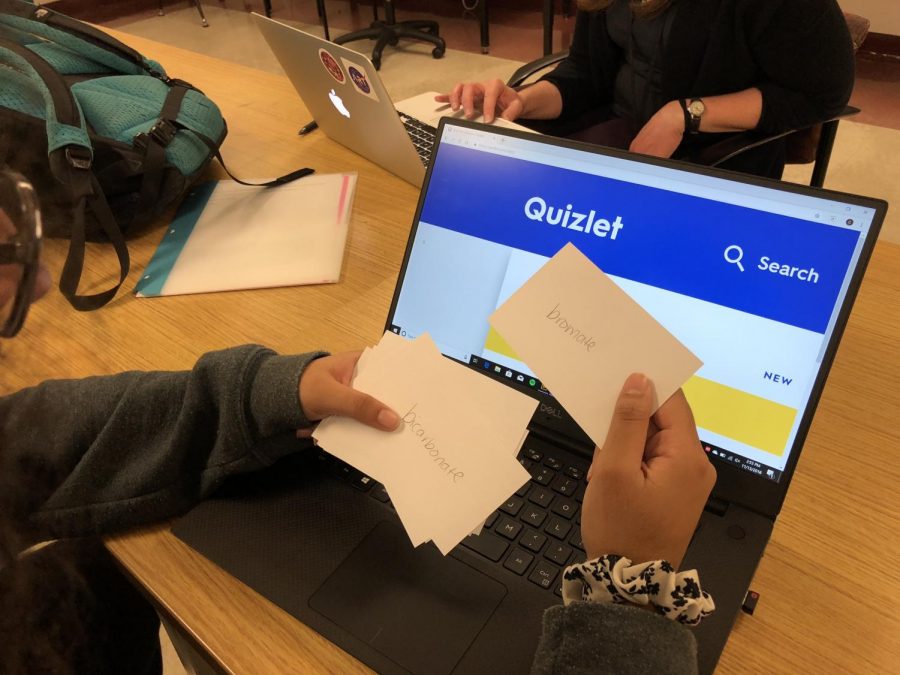
Adding new vocabulary is very important for your learning process. Our brain needs to see the new word at least 5 times in order to remember it, so by creating flashcards with the new words you have picked up from a video or a podcast you can look at them again whenever you have some free time.
You can create the typical flashcards or you can also use some apps like Quizlet or Duo cards.
4. Learning a new word of the day.

There are different websites or instagram accounts that share new words everyday in Spanish, one very simple and friendly is Spanish dictionary, here you you can find a new word with its translation, pronunciation and some examples each day.
5. Describing your day in Spanish.

Even if you are a beginner, you can start this practice with very simple sentences that describe your day, your activities, your food, your house, etc. And if you already have some knowledge of past tenses then you can briefly narrate your day. When you write you have to reflect on the tenses you need to use and some specific vocabulary, so it is a very good practice to develop your language skills.
It's like doing some journaling where you describe your day or you write about the things you're grateful for but in Spanish.
By including some of these activities in your everyday life, you'll acquire some new vocabulary and skills that will gradually help you in your Spanish learning journey 💪
I hope you find this useful


0 Comentarios